Finding a diamond in the rough—that’s what every real estate investor dreams about. Whether you’re a first-time buyer or a seasoned investor, learning how to find undervalued properties in any market can dramatically boost your investment returns and help you build substantial wealth over time.
But here’s the challenge: in today’s competitive real estate landscape, everyone’s hunting for the same deals. So how do you spot those hidden opportunities that others miss? In this comprehensive guide, I’ll walk you through proven strategies that work regardless of whether the market is hot, cold, or somewhere in between.
What Makes a Property “Undervalued”?
Before we dive into the strategies, let’s clarify what we mean by an undervalued property. Simply put, it’s a property selling for less than its true market value or future potential worth. This could happen for various reasons—a motivated seller, cosmetic issues that scare away other buyers, or simply a property that hasn’t been marketed properly.
The beauty of undervalued properties is that they offer instant equity. You’re essentially buying dollars at a discount, which provides a safety cushion and potential profit from day one.
Why Undervalued Properties Exist in Every Market
You might think that undervalued properties only appear during market crashes, but that’s a common misconception. Even in red-hot markets, there are always motivated sellers, properties with fixable problems, or listings that slip through the cracks. The key is knowing where and how to look.
Proven Strategies on How to Find Undervalued Properties in Any Market
1. Focus on Distressed Properties and Motivated Sellers
One of the most reliable ways to find undervalued properties in any market is to target distressed properties and motivated sellers. These include:
Foreclosures and Pre-Foreclosures: Homeowners facing foreclosure often need to sell quickly, sometimes accepting below-market offers to avoid the foreclosure process entirely.
Estate Sales: When properties are sold after an owner’s death, heirs often want quick sales rather than top dollar, especially if they live out of state.
Divorce Situations: Unfortunately, divorce frequently creates motivated sellers who need to liquidate assets quickly.
Job Relocations: People transferring to new cities may need to sell faster than the market timeline allows.
The secret is finding these sellers before everyone else does. Work with real estate agents who specialize in distressed properties, monitor legal notices, and even consider direct mail campaigns to homeowners in these situations.
2. Look for Properties with Cosmetic Issues
Here’s a truth many investors overlook: most homebuyers lack vision. They walk into a property with outdated wallpaper, old carpets, or a kitchen from the 1970s and immediately cross it off their list.
This is your opportunity.
Properties needing cosmetic updates often sell for 10-30% below market value, yet the fixes might only cost a fraction of that discount. When you’re learning how to find undervalued properties in any market, train yourself to see past the surface issues.
Look for:
- Outdated but functional kitchens and bathrooms
- Poor landscaping that hides good bones
- Bad paint colors or flooring
- Cluttered or poorly staged spaces
These properties photograph poorly in listings, which reduces competition and keeps prices lower. With modest renovation budgets, you can unlock substantial value.
3. Master the Art of Off-Market Deals
Some of the best undervalued properties never hit the MLS (Multiple Listing Service). Off-market deals, also called “pocket listings,” give you access to properties before the general public knows they’re available.
How do you find these hidden gems?
Network Relentlessly: Build relationships with real estate agents, wholesalers, property managers, and other investors. Let everyone know you’re actively looking.
Direct Mail Campaigns: Send letters to property owners in your target area, especially those with properties showing signs of neglect.
Drive for Dollars: Physically drive through neighborhoods looking for vacant homes, overgrown yards, or properties in disrepair. Find the owner’s contact information through public records and reach out directly.
Online Platforms: Use sites like Craigslist, Facebook Marketplace, and investor-focused platforms where owners sometimes list properties themselves.
4. Target Emerging Neighborhoods Before They Peak
Understanding market cycles is crucial when you’re figuring out how to find undervalued properties in any market. Emerging neighborhoods—areas on the verge of gentrification or development—offer tremendous upside potential.
Look for these indicators:
- New businesses, especially coffee shops and restaurants, opening in the area
- Infrastructure improvements being announced or underway
- Decreasing crime statistics
- Young professionals starting to move in
- Art galleries and creative spaces appearing
- Improving school ratings
Purchase properties in these transitional areas before prices fully reflect the neighborhood’s improving status. You’ll benefit from both immediate undervaluation and long-term appreciation.
5. Analyze Properties Using the Right Metrics
You can’t identify undervalued properties without running proper numbers. Too many investors rely on gut feelings or surface-level analysis.
Compare Properly: Use comparable sales (comps) from the past 3-6 months of similar properties in the same area. Adjust for differences in size, condition, and features.
Calculate the After Repair Value (ARV): For properties needing work, estimate what the property will be worth after improvements, then subtract repair costs and your desired profit.
Use the 70% Rule: Many investors use this quick formula: pay no more than 70% of the ARV minus repair costs. This builds in a safety margin and profit potential.
Consider the Price Per Square Foot: Compare the listing’s price per square foot to neighborhood averages. Significant deviations warrant investigation.
6. Leverage Technology and Data Analytics
Modern investors have access to tools previous generations could only dream of. When learning how to find undervalued properties in any market, embrace technology:
Real Estate Analytics Platforms: Services like Mashvisor, PropStream, and Reonomy provide data on property values, rental rates, and market trends.
Automated Alert Systems: Set up alerts on Zillow, Realtor.com, and Redfin for properties matching your criteria. Speed matters when deals hit the market.
Heat Mapping Tools: Visual tools that show price trends, rental yields, and appreciation rates across different neighborhoods help you spot undervalued areas.
Public Records: Access tax records, ownership information, and lien data to identify motivated sellers or properties with issues.
7. Understand Seller Psychology
Sometimes properties become undervalued simply because sellers don’t know what they have or make poor selling decisions.
Watch for:
- Poor Listing Quality: Bad photos, incomplete descriptions, or properties listed at odd times (like right before holidays) often languish on the market.
- Properties with Extended Market Time: Listings sitting for 90+ days often have motivated sellers willing to negotiate.
- Price Reductions: Multiple price drops signal seller motivation and potential flexibility.
- Owner-Occupied Sales: Homeowners selling themselves without agents may underprice properties due to inexperience.
8. Build a Power Team
You can’t do this alone. When you’re serious about learning how to find undervalued properties in any market, assemble a team of professionals:
- Real Estate Agents: Agents with investor experience know what to look for and can provide access before properties hit the market widely.
- Wholesalers: These professionals find deals and pass them to investors for a fee.
- Contractors: Reliable contractors help you accurately estimate repair costs, preventing overpaying.
- Real Estate Attorneys: Legal professionals navigate complex situations like estate sales or title issues.
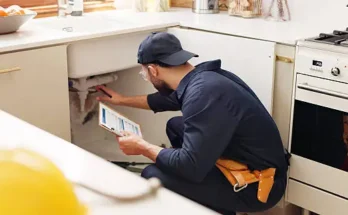
- Property Inspectors: Thorough inspections reveal problems that create negotiating leverage.
Common Mistakes to Avoid
Even when you know how to find undervalued properties in any market, certain pitfalls can derail your success:
Overestimating Your Repair Abilities: Be realistic about renovation costs. First-timers typically underestimate by 20-30%.
Ignoring Major Structural Issues: Cosmetic problems are opportunities; foundation issues, mold, or roof failures can become money pits.
Failing to Account for Holding Costs: Property taxes, insurance, utilities, and financing costs add up quickly during renovations.
Buying in Declining Areas: There’s a difference between undervalued and declining. Make sure the fundamentals support future appreciation.
Emotional Decision-Making: Stick to your numbers. A property is only a good deal if the math works.
How to Act Quickly Without Being Reckless
Speed matters in competitive markets, but rushing leads to expensive mistakes. Here’s how to balance urgency with due diligence:
Get Pre-Approved Financing: Having financing ready allows you to make strong offers immediately.
Develop Standard Evaluation Checklists: Create systems for quickly assessing properties so you’re not starting from scratch each time.
Build Relationships Before You Need Them: Have your team in place before you find the perfect property.
Make Offers with Appropriate Contingencies: Inspection and financing contingencies protect you while allowing competitive offers.
The Long-Term Mindset
Finding undervalued properties isn’t about getting lucky once—it’s about developing systems and habits that consistently identify opportunities. The investors who build substantial wealth don’t find one great deal; they find dozens over their careers.
Stay educated about your target markets, continually refine your analysis skills, and maintain relationships with key players in your area. Over time, you’ll develop an instinct for spotting value that others miss.