Home Inspection Checklist: What to Look for Before You Buy
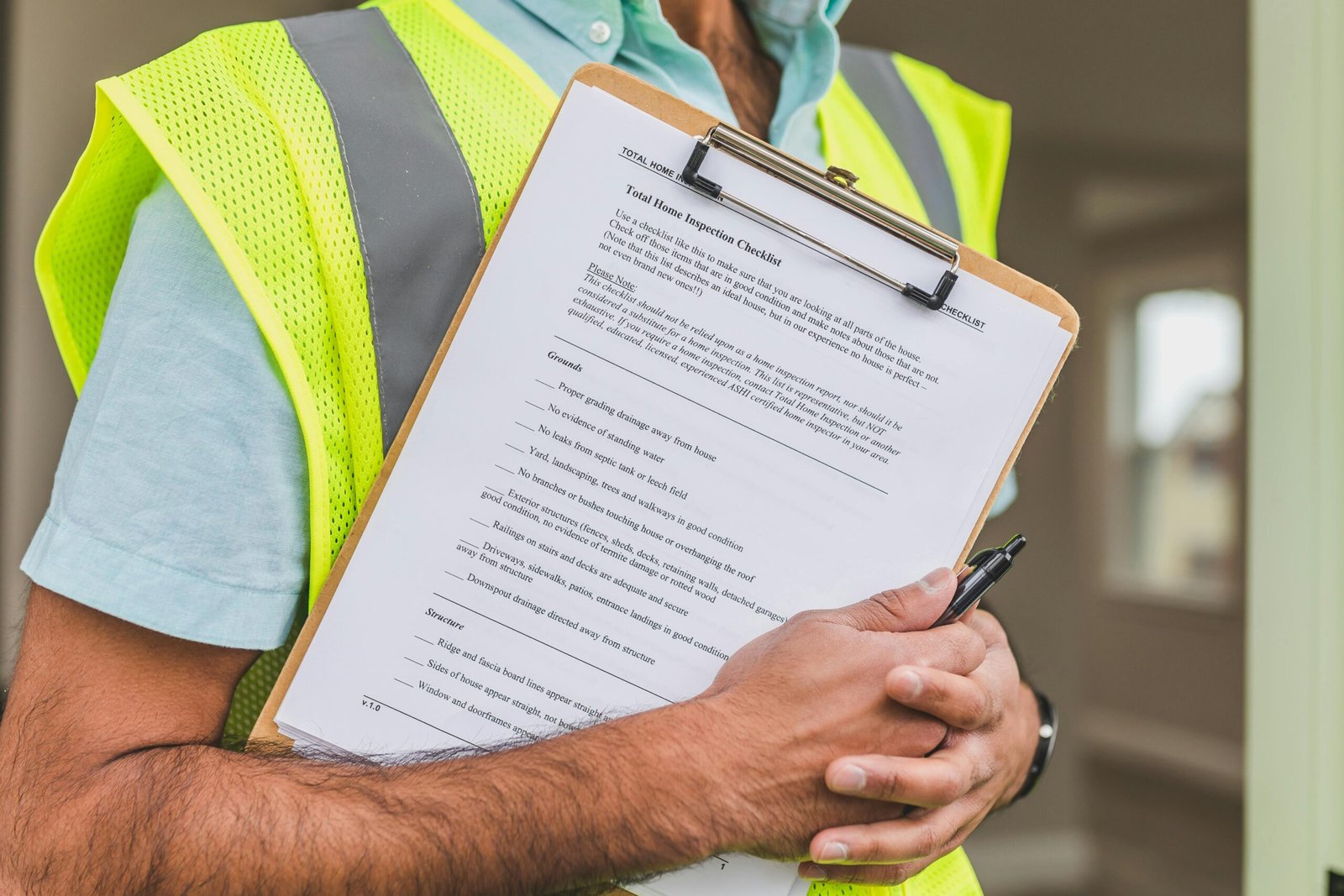
Buying a home? It’s probably the biggest check you’ll ever write. And honestly, the last thing you want is to fall in love with a house only to discover it’s hiding some seriously expensive problems. That’s where a solid Home Inspection Checklist comes in handy—think of it as your safety net before making one of life’s biggest commitments.
Why You Actually Need a Home Inspection Checklist
Look, I get it. You walk through a house, see the beautiful kitchen, imagine yourself in that backyard, and you’re ready to make an offer. But here’s the thing—some problems don’t show themselves during a 20-minute tour. That crack in the foundation? The sketchy electrical wiring? The roof that’s one rainstorm away from disaster? These can cost you tens of thousands down the line.
A Home Inspection Checklist isn’t about being paranoid; it’s about being smart. It helps you catch red flags early and—bonus—gives you some serious leverage when negotiating with the seller. Nobody wants to overpay for someone else’s problems.
The Outside Stuff You Can’t Ignore
Roof and Gutters
Start by looking up. Are there shingles missing? Does anything look saggy or worn out? Gutters might seem boring, but if they’re falling apart or clogged, you’re looking at potential water damage. Trust me, replacing a roof isn’t cheap, so this deserves a top spot on your Home Inspection Checklist.
Foundation and Structure
This is serious stuff. Walk around the house and check for cracks in the foundation or walls. Do the doors and windows close properly, or are there weird gaps? If the foundation’s got issues, you’re not just talking about a quick fix—you’re talking major money and headaches.
Siding and Paint
Yeah, peeling paint looks ugly, but it’s more than cosmetic. Cracks or rotting siding can let water sneak in, which leads to mold, rot, and a whole mess you don’t want to deal with.
What to Check Inside the House
Plumbing System
Turn on every faucet. Flush the toilets. Look under sinks for any drips or funky smells. Low water pressure or rusty pipes? Not good signs. Water damage is one of those nightmare scenarios that can spiral out of control fast, so don’t skip this part of your Home Inspection Checklist.
Electrical System
Flip every light switch. Plug something into the outlets. Check out the electrical panel—does it look organized or like a hot mess? Old wiring isn’t just annoying when the lights flicker; it’s actually dangerous. Electrical fires are real, people.
HVAC System
When was the furnace or AC last serviced? If the seller’s answer is “umm… not sure,” that’s a red flag. Replacing an HVAC system can easily run you $5,000 or more. You definitely want to know what you’re getting into before you sign anything.
The Sneaky Spots Where Problems Hide
Attic and Insulation
Don’t forget to poke your head in the attic. Is there enough insulation? Any signs of leaks, water stains, or critters making themselves at home? Poor ventilation up there can mess with your energy bills and hint at bigger roof problems.
Basement and Crawl Spaces
If it smells musty down there, that’s not normal. Look for moisture, mold, or standing water. These dank spaces often tell the real story about drainage issues or foundation cracks you might not see anywhere else.
Why You Should Still Hire a Pro
Okay, so having your own Home Inspection Checklist is great for catching obvious stuff. But here’s the truth: you’re not a professional inspector (unless you are, in which case, hi!).
A certified home inspector has the experience, the tools, and honestly, the trained eye to spot things you’d never notice. They’ll spend 2-4 hours going over everything and usually charge somewhere between $300-500. Sounds like a lot? Compare that to finding out about a $10,000 repair after you’ve already bought the place. Yeah, suddenly doesn’t seem so expensive.
Making the Call After Your Inspection
So you’ve gone through your Home Inspection Checklist and got the professional report back. Now what?
Here’s the deal: every house has some issues. A loose doorknob? Whatever. But if you’re staring down major foundation cracks, a dying roof, or electrical work that looks like it was done in 1952, it’s time to have a serious conversation.
You’ve got options. Ask the seller to fix the problems. Request a price reduction so you can handle repairs yourself. Or if it’s really bad, walk away. Remember, there are other houses out there, and you shouldn’t let emotions push you into a bad investment.